







Search Results for: Kenya Small Tomato

Complete Analysis of Kenyan Coffee Flavor Characteristics: Causes of the Small Tomato and Smoked Plum Tartness, and Key Brewing Points for SL28 Variety and K72 Washed Processing
Kenyan coffee is famous for its rich, bright acidity, sugarcane-like sweetness, and signature flavors reminiscent of small tomatoes and smoked plums, yet many enthusiasts fail to brew the stunning performance described once they get it home. From the perspective of Front Street, this article systematically sorts out the sources of Kenyan coffee's unique flavors: the terroir conditions of high-altitude volcanic soil and tropical savanna climate, the SL28 and SL34 varieties bred by Scott Laboratories, and the Kenyan-style washed processing that lasts up to 72 hours. On this basis, the article offers purchasing advice and, using the washed SL28 and SL34 Front Street Kenya·Small Tomato as an example, shares the complete brewing parameters and flavor performance of 15g grounds, a 1:15 coffee-to-water ratio, 92°C water temperature, and a three-pour V60 method, helping readers fully extract the characteristics of Kenyan coffee. [more…]
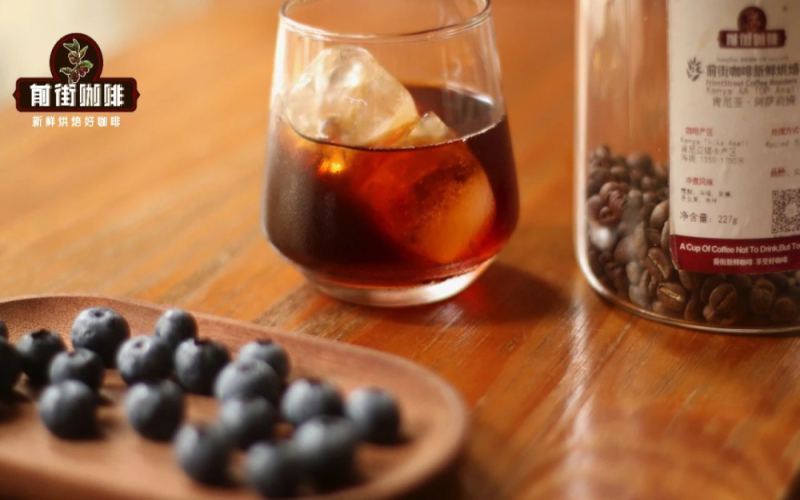
Kenya Nyeri Region Coffee Grading System and Flavor Characteristics: Examining the Sweet-Acid Balance of AA Washed Beans Through Front Street Cherry Tomato
Kenyan coffee is famous for its clean and refreshing, solid and bright juice-like acidity, but what exactly do the commonly seen "AA," "AB," and even "AA TOP" in China represent? This article starts with Kenya's official coffee bean grading system, sorting out the size, shape, and quality differences among the eight grades AA, AB, PB, E, C, TT, T, and MH/ML, and explains that secondary grading labels such as TOP, Plus, and FAQ, which are independently set by exporters, are for reference only. It then focuses on the Thika producing region, introducing its geographical location, cultivation history, and variety structure mainly consisting of SL28 and SL34, and combines the cupping performance, light roast approach, and iced pour-over parameters of Front Street Coffee's Kenya Cherry AA-grade washed beans to present the cherry tomato, smoked plum, and snow pear-like acidity and honey sweetness of this producing region. [more…]
Kenya Thika Region Coffee Grading System and Flavor Analysis: AA and AB Grading Standards and Front Street Cherry Tomato Brewing Practice
Kenyan coffee is renowned worldwide for its clean, refreshing, juice-like bright acidity. What exactly do the commonly seen designations in China such as "AA," "AB," and "AA TOP" represent? This article systematically sorts out the grading system for Kenyan coffee beans—from AA and AB to PB, E, C, TT, T, and MH/ML, the specific classification criteria for these eight grades—interprets the characteristics of major varieties such as SL28 and SL34, and analyzes the commercial logic behind exporters' secondary grading. At the same time, it focuses on the Thika producing region, introducing the origin background and flavor performance of Front Street Coffee Kenya Little Tomato, an AA-grade K72 washed bean, and includes the detailed parameters for high-concentration, high-extraction iced brewing along with the three-stage operation method. [more…]
A Detailed Guide to Kenyan Coffee Bean Grading: The Difference Between AA TOP and AA, and a Front Street Kenyan Cherry Tomato Pour-Over Guide
Kenyan coffee is famous for its bright fruit acidity and clean flavor, and its grading system is based primarily on bean size and cup quality. Starting from Front Street Kenya AA TOP, this article systematically sorts out the definitions and differences of the eight major grades—E, PB, AA, AB, C, TT, T, and MH/ML—with emphasis on explaining the connection and distinction between AA TOP and AA. At the same time, combined with Front Street Kenya Little Tomato coffee beans, it provides specific parameters for hot pour-over and iced pour-over, the three-pour water-pouring method, and flavor performance, helping coffee enthusiasts understand the purchasing logic and brewing key points for Kenyan beans. [more…]
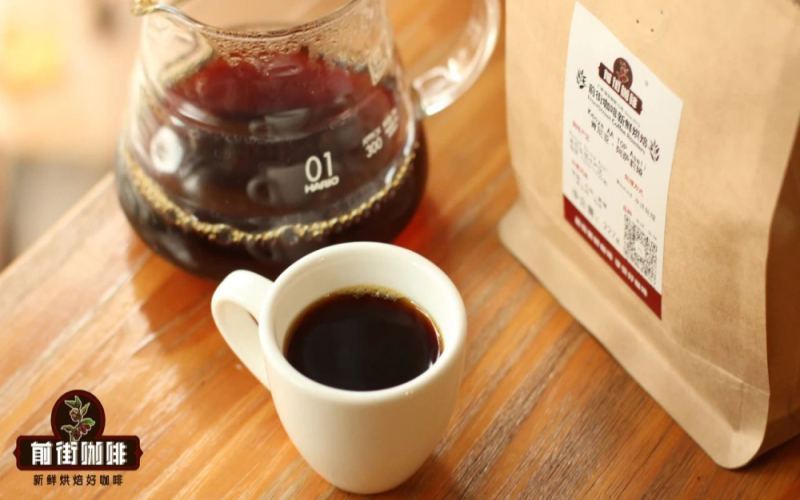
Why Does Kenyan AA Coffee Have a Tomato Flavor? A Comprehensive Analysis of Producing Regions, Grading, and Brewing Key Points
Kenya AA coffee is renowned for its bright fruit acidity and distinctive tomato-like flavor, making it one of the most recognizable presences in specialty coffee. This article systematically analyzes the origins of Kenyan coffee's flavor, from growing conditions and historical context to the top ten producing regions, the official grading system, and the K72 washed processing method. The baristas at Front Street Coffee combine cupping and pour-over practice with Kenyan Asaliya beans to share specific parameters and brewing techniques, helping enthusiasts understand this "most acidic coffee's" clean mouthfeel and its layers reminiscent of smoked plum and cherry tomato—ideal for readers who want to delve deeper into Kenyan coffee. [more…]
How is the body of Kenyan Asaliya washed beans? Analyzing Kenyan coffee flavor and brewing key points
Kenya is a production region beloved by many sour coffee enthusiasts. Front Street Coffee's Kenya Small Tomato coffee beans are known for their complex, full-bodied juicy feel and dark fruit flavors, suitable for various extraction methods such as pour-over, cold brew, and moka pot. This coffee from the Thika region uses the Kenyan-style 72-hour washed process, with varieties SL28 and SL34, featuring bright fruit acidity, a mellow mouthfeel, and both caramel sweetness and a wine-like body. This article will guide you through the flavor characteristics of Kenyan coffee, the double washed processing method, and the grading system, and share Front Street Coffee's recommended brewing parameters and pouring techniques to help you fully showcase the aroma of Small Tomato and its smoked plum acidity. [more…]
Kenya AA Cherry Tomato Flavor Pour-Over Parameters Explained: Extraction Approach for Double-Fermented Washed Coffee Beans
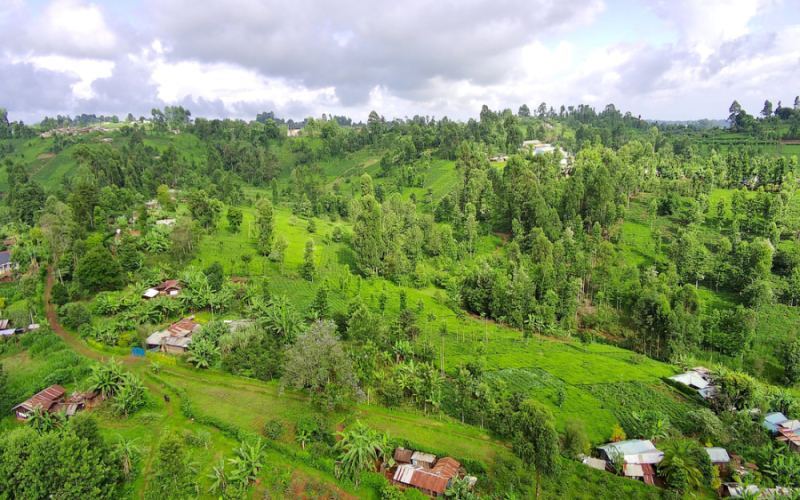
Kenya AA, with its bright acidity and tomato-like flavor profile, has become a favorite among many pour-over enthusiasts. This article starts from Kenya's producing region environment, variety evolution, and unique K72 washing process to analyze the causes of its flavor, and given the beans' plump size and hard texture, provides Front Street Coffee's recommended grind size, water temperature, coffee-to-water ratio, and staged pouring plan. Whether you want to replicate a cup of clean, translucent tomato-like flavored coffee or understand the extraction logic of Kenyan beans, you can find actionable parameter references here. [more…]

The Origin of Starbucks Kenya AA Elephant Packaging: A Full Analysis of Kenyan Coffee Regions, Varieties, and the K72 Processing Method
Kenyan coffee occupies an important position in the global specialty coffee landscape. Starbucks Kenya AA coffee beans feature an elephant as the packaging design, which naturally evokes the vast scenery of the African savanna. This article, compiled by Front Street Coffee (FrontStreet Coffee), provides a comprehensive analysis of the unique charm of Kenyan coffee, from its historical origins, geographical growing conditions, six major producing regions, four main variety characteristics, green bean grading system, to the K72 washed processing method. The article also specifically shares the roasting parameters and brewing suggestions for Front Street's Kenya Cherry Tomato coffee beans, helping coffee enthusiasts gain a deeper understanding of this African specialty bean with its cherry tomato acidity. [more…]

Kenyan Coffee Flavor Grading System and Detailed Explanation of K72 Washing Process: Front Street Cherry Tomato Brewing Parameters and Tasting Guide
Among African specialty coffees, Kenya and Ethiopia are often mentioned together; although both are known for their acidity, their flavor profiles are quite different. The rise of Kenyan coffee is inseparable from the refined industry management established during the British colonial period—from the Scott Laboratories' selection and breeding of SL28 and SL34, to the auction system of the Nairobi Coffee Exchange, and then to the grading system that classifies beans by both bean size and cupping results. Kenya gradually built up its competitive advantage in specialty coffee. The K72 washing process further gives it a distinct and full-bodied acidity. In this article, Front Street Coffee will start with the historical context, grade classification, and processing techniques, and combine them with the "Little Tomato" coffee beans from the Asali processing station in the Thika region to share the brewing key points and flavor performance of light-roasted Kenyan coffee. [more…]
A Complete Guide to Kenyan Coffee Pour-Over: From the SL28 Variety to Front Street Little Tomato's Extraction Parameters and Step-by-Step Practice
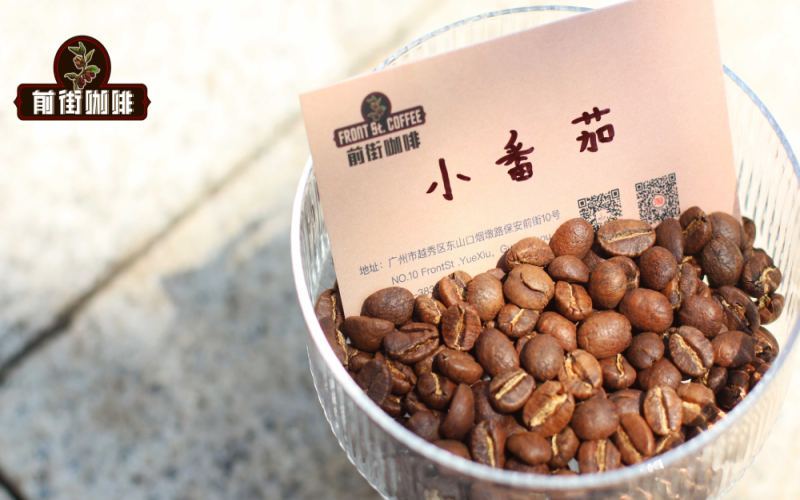
Kenya is a representative producing country of East African specialty coffee, known for its vivid berry-like acidity and full body. This article starts with Front Street Coffee's Kenya · Little Tomato, outlining the terroir of Kenyan producing regions and the background of the SL28 and SL34 varieties, and for pour-over extraction of light-roasted Kenyan beans, it breaks down in detail the dripper selection, water temperature range, grind assessment, and three-stage pouring parameters, helping coffee enthusiasts consistently reproduce at home a cup of Kenyan pour-over that is bright in acidity and aroma with a long, lingering finish. [more…]
How Are Kenya Coffee Green Bean Grades Classified? What Is the Difference Between AA and TOP, and a Detailed Guide to Front Street Coffee's Pour-Over Parameters
Kenyan coffee is famous for its bright fruit acidity and clean mouthfeel. Its grading system is government-led, based on bean size and cupping score, and classifies green beans into eight grades: E, PB, AA, AB, C, TT, T, and MH/ML. AA is the most common specialty grade, while TOP is an additional quality designation marked by coffee traders after cupping. Front Street Coffee's Kenyan Little Tomato and AA TOP are representative examples. This article provides a detailed overview of Kenyan grading standards and, combined with Front Street Coffee's own-roasted Kenyan beans, shares the specific parameters and brewing techniques for hot pour-over and iced pour-over, helping coffee enthusiasts better bring out the cherry tomato, smoked plum, and creamy sweetness of this bean. [more…]
Kenya AA Coffee Bean Flavor Analysis: Small Tomato and Smoked Plum Notes from the Thika Region and the K72 Washed Processing Method
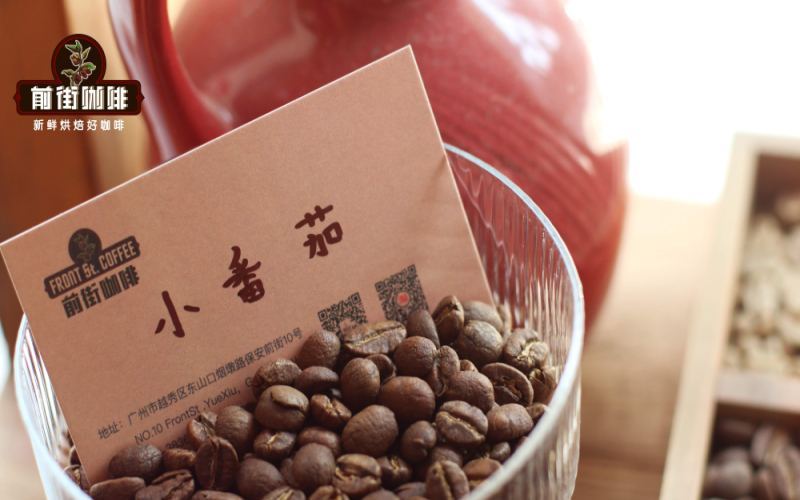
Kenyan coffee occupies a unique position in the global specialty coffee landscape thanks to its bright fruit acidity and full body. Among them, the AA grade, as the highest specification for bean size, is often regarded as synonymous with Kenyan specialty beans. This article starts with the AA TOP lot from the Asali Honey Processing Station in Kenya's Thika region, currently sold by Front Street Coffee, and systematically reviews Kenya's main coffee-producing regions, the characteristics of varieties such as SL28 and SL34, the AA grading standard, and the most representative K72 washed processing method. By comparing the differences in acidity with Ethiopian coffee, it helps readers understand the source of Kenyan coffee's intense, substantial acidity, as well as the processing logic behind flavors reminiscent of cherry tomatoes and smoked plums. [more…]
Kenyan Specialty Coffee Beans | Why Does Kenyan Coffee Have Such High Recognizability? Where Does the Acidity in Kenyan Coffee Come From?
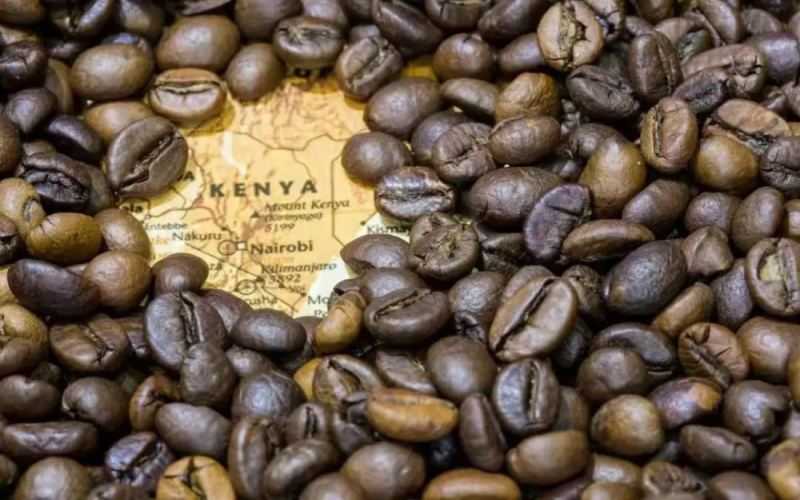
Honestly, Front Street Coffee is very fond of Kenyan coffee. If you're a friend who frequently visits Front Street Coffee's stores to drink coffee, it's not hard to notice that among the many samples Front Street Coffee shares, Kenya has a very high appearance rate. As for why we like it so much, Front Street Coffee believes this point is shared by many enthusiasts alike. Because Ken [more…]

Medium-Light Roast Coffee Bean Recommendations | Why Is Kenyan Coffee So Popular? What Factors Create the Acidity of Kenyan Coffee? How Do You Brew a Delicious Kenyan Pour-Over?
Honestly, Front Street Coffee is very fond of Kenyan coffee. If you are a friend who frequently visits Front Street Coffee's stores to drink coffee, it will not be hard to notice that among the many samples Front Street Coffee shares, Kenya has a very high rate of appearance. As for why we like it so much, Front Street Coffee believes that on this point, we are in complete agreement with many enthusiasts. Because Ken [more…]
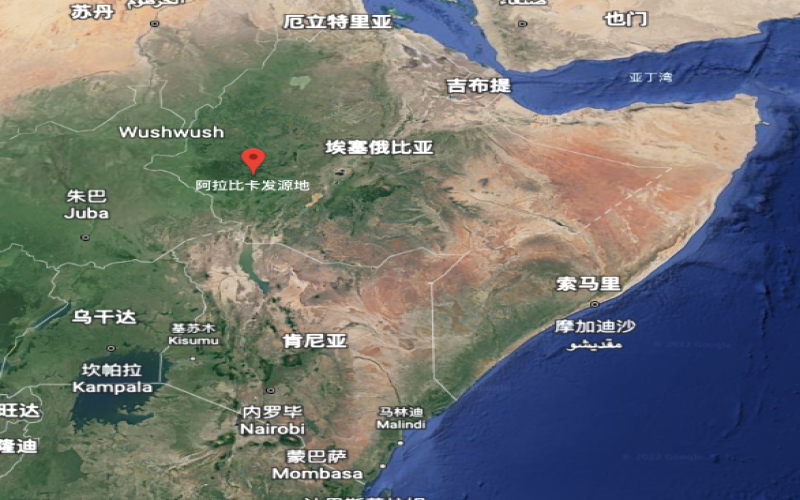
Kenya Coffee Bean Brewing Tutorial Sharing
With the rise and popularity of the specialty coffee concept, emphasizing the flavor of origin—that is, the taste of the bean itself—has become a consensus, at least among some people. And after 2000, the third wave emphasized origin and light-roast flavors, and many single-origin coffees became increasingly well known. Among them, Kenyan coffee is known for its bright acidity. [more…]
Deep-Roasted Kenya Meets Mandheling: Flavor Direction and Brewing Test After Blending by Ratio
Kenyan coffee has always been famous for its bright berry-like acidity, yet many early books recorded it as a dark roast, which is completely at odds with today's mainstream understanding. For this session, Front Street Coffee selected two high-altitude washed beans, Kenya Small Tomato and Karogoto, roasting both uniformly to the start of second crack, then conducting cupping, pour-over, and French press evaluations separately, and also attempting to blend them 1:1 with dark-roasted Mandheling into espresso. What kind of flavor transformation can a dark roast actually bring? Does it preserve a rich caramel character, or does it wipe out the original floral and fruity aromas? Using measured data and brewing parameters, this article takes you through a fresh look at the pros and cons of dark-roasted Kenya, as well as its unique value in blends. [more…]
Analysis of the Acidity Characteristics and Origin Varieties of Kenyan Coffee: Where Does the Cherry Tomato Flavor Come From?
Kenyan coffee is renowned for its extremely high acidity and vivid fruity flavors, with blackberry and grapefruit-like notes that are highly sought after by coffee lovers. Behind this unique flavor lies both the meticulous operation of smallholder cooperative farms and the region's iconic K72-hour double washed processing method. Front Street Coffee's Kenya Little Tomato, sourced from the Asali processing station in the Thika region, presents a sweet-and-tart quality reminiscent of smoked plum and cherry tomatoes. This article will systematically sort out the origins, varieties, grading system, and processing techniques of Kenyan coffee, and share practical brewing experience for light-roasted Kenyan beans in terms of dripper selection, water temperature control, and grind size judgment. [more…]
A Comprehensive Guide to Kenyan Coffee: Starbucks Reserve Kenya Bean Prices, Flavor Characteristics, and the K72 Processing Method
Kenyan coffee has long been renowned for its strong, full-bodied acidity and distinctive cherry tomato and prune flavors, standing alongside Ethiopia's Yirgacheffe as one of Africa's two flagship coffees. Starbucks has offered Kenya coffee since 1971, and the elephant design on its packaging has become a classic emblem. This article will comprehensively analyze the reasons behind the formation of Kenyan coffee's flavor—from the growing conditions of its producing regions, varietal characteristics, and the K72 washed processing method to the coffee bean grading system—and share detailed information on the AA-grade Kenyan cherry tomato and PB-grade coffee beans introduced by FrontStreet Coffee, including roasting parameters and brewing suggestions, to help coffee enthusiasts gain a deeper understanding of this premium producing region. [more…]
Kenya SL28 and SL34 Coffee Varieties Explained: Flavor Differences, Variety Advantages, and Grading System
Kenyan coffee stands out among Africa's specialty producing regions with its bright and pleasant acidity, and the core that underpins its consistent quality is precisely the two local varieties, SL28 and SL34. In this article, Front Street Coffee will systematically review the origins, botanical characteristics, and flavor differences of these two varieties, while also introducing later-developed varieties such as Ruiru11 and Batian, as well as the ins and outs of Kenya's green bean grading system. In the latter part of the article, we will also share the roasting parameters and brewing suggestions for two Front Street coffees, Kenya Small Tomato and Sachini PB, for coffee enthusiasts to reference and put into practice. [more…]
The Acidic Charm of Kenyan Coffee: Causes of the Cherry Tomato Flavor and Analysis of the SL Series Varieties
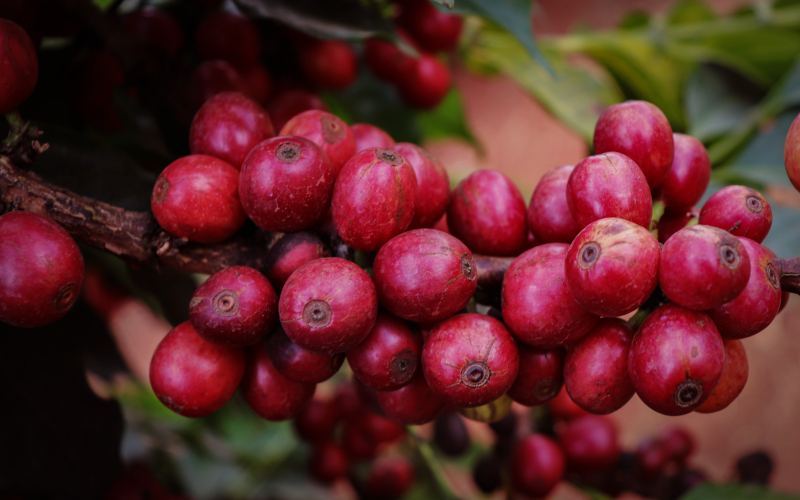
Kenyan coffee has long been renowned for its vivid fruit acidity and complex layers, making it one of the most distinctive origins in specialty coffee. This article focuses on Front Street Coffee's Little Tomato coffee beans, outlining their producing region, processing method, variety, and flavor characteristics, and analyzing the possible reasons behind the little tomato tonal quality. At the same time, from the two perspectives of high-altitude cultivation and volcanic soil, it explains the source of Kenyan coffee's bright acidity and full sweetness, and introduces the background and characteristics of the SL28 and SL34 varieties. Finally, it includes the pour-over parameters and brewing steps for Front Street Kenya Little Tomato, helping coffee lovers reproduce at home a clean, well-balanced Kenyan coffee with balanced acidity and sweetness. [more…]